I help companies build products with LLMs and share what I learn along the way. I write about topics like evals, fine-tuning, and infrastructure for LLMs. I have over 25 years of industry experience with Machine Learning which informs my pragmatic approach to solving problems.
New Blog Post: Building an Audience Through Technical Writing: Strategies and Mistakes
|
Hello folks! Wanted to share a new blog post with ya'll. Below are the details: Building an Audience Through Technical Writing: Strategies and MistakesPublished on November 30, 2024 People often find me through my writing on AI and tech. This creates an interesting pattern. Nearly every week, vendors reach out asking me to write about their products. While I appreciate their interest and love learning about new tools, I reserve my writing for topics that I have personal experience with. One conversation last week really stuck with me. A founder confided, “We can write the best content in the world, but we don’t have any distribution.” This hit home because I used to think the same way. Let me share what works for reaching developers. Companies and individuals alike often skip the basics when trying to grow their audience. These are proven approaches I’ve seen succeed, both in my work and in others’ efforts to grow their audience in the AI space. 1. Build on Great WorkHere’s something surprising: few people take the time to thoughtfully engage with others’ work in our field. But when you do, amazing things happen naturally. For example, here are some recent posts I’ve enjoyed that present opportunities to engage with others:
In the above examples, you could share how their ideas connect with what you’ve built. You could add additional case studies and real-world insights. If you deeply engage with someone’s work and add your insights, they often share your content with their audience. Not because you asked, but because you’ve added something meaningful to their work. Swyx has written a great post on how to do this effectively. The key is authenticity. Don’t do this just for marketing—do it because you’re genuinely interested in learning from others and building on their ideas. It’s not hard to find things to be excited about. I’m amazed by how few people take this approach. It’s both effective and fun. 2. Show Up ConsistentlyI see too many folks blogging or posting once every few months and wondering why they’re not getting traction. Want to know what actually works? Look at Jason Liu. He grew his following from 500 to 30,000 followers by posting ~ 30 times every day for a year. You don’t have to post that often, but consistency matters more than perfection. Tools like hypefury can help you schedule posts ahead of time. Finally, don’t just post into the void. Engage with others. When someone comments on your post, reply thoughtfully. When you see conversations where you can add value, provide helpful information. Finally, don’t be discouraged if you don’t see results immediately. Here’s some advice from my friend (and prolific writer), Eugene Yan: In the beginning, when most people start writing, the output’s gonna suck. Harsh, but true—my first 100 posts or so were crap. But with practice, people can get better. But they have to be deliberate in wanting to practice and get better with each piece, and not just write for the sake of publishing something and tweeting about it. The Sam Parr course (see below) is a great example of deliberate practice on copywriting. 3. Get Better at CopywritingThis changed everything for me. I took Sam Parr’s copywriting course just 30 minutes a day for a week. Now I keep my favorite writing samples in a Claude project and reference them when I’m writing something important. Small improvements in how you communicate can make a huge difference in how your content lands. 4. Build a Voice-to-Content PipelineThe struggle most people have with creating content is that it takes too much time. But it doesn’t have to if you build the right systems, especially with AI. Getting this system right takes some upfront work, but the payoff is enormous. Start by installing a good voice-to-text app on your phone. I use either Superwhisper or VoicePal. VoicePal is great for prompting you to elaborate with follow-up questions. These tools let me capture ideas at their best. That’s usually when I’m walking outside or away from my computer. The key is to carefully craft your first few pieces of content. These become examples for your prompts that teach AI your style and tone. Once you have high-quality examples, you can organize these (transcript, content) pairs and feed them to language models. The in-context learning creates remarkably aligned output that matches your writing style while maintaining the authenticity of your original thoughts. For example, I used this pipeline at Answer AI. We regularly interview each other and turn those talks into blog posts. Our recent post about SolveIt shows how this approach works. The raw conversation is the foundation. Our workflow turns it into polished content. I’ve also integrated this with my meeting workflow. Using CircleBack, my favorite AI note-taking app, I can automatically capture and process meeting discussions. You can set up workflows to send your meeting notes and transcripts to AI for processing. This turns conversations into content opportunities. The real power comes from having all these pieces working together. Voice capture, AI, and automation makes content creation fun and manageable. 5. Leverage Your Unique PerspectiveThrough my consulting work, I notice patterns that others miss. My most popular posts address common problems my clients had. When everyone’s confused about a topic, especially in AI where there’s lots of hype, clear explanations are gold. This is the motivation for some of my blog posts like:
You probably see patterns too. Maybe it’s common questions from customers, or problems you’ve solved repeatedly. Maybe you work with a unique set of technologies or interesting use cases. Share these insights! Your unique perspective is more valuable than you think. 6. Use High Quality Social Cards, Threads, and SchedulingThis is probably the least important part of the process, but it’s still important. Thumbnails and social cards are vital for visibility on social media. Here are the tools I use:
Finally, when posting on X, threads can be a great way to raise the visibility of your content. A simple approach is to take screenshots or copy-paste snippets of your content. Then, walk through them in a thread, as you would want a reader to. Jeremy Howard does a great job at this: example 1, example 2. The Content Flywheel: Putting It All TogetherOnce you have these systems in place, something magical happens: content creates more content. Your blog posts spawn social media updates. Your conversations turn into newsletters. Your client solutions become case studies. Each piece of work feeds the next, creating a natural flywheel. Don’t try to sell too hard. Instead, share real insights and helpful information. Focus on adding value and educating your audience. When you do this well, people will want to follow your work. This journey is different for everyone. These are just the patterns I’ve seen work in my consulting practice and my own growth. Try what feels right. Adjust what doesn’t. P.S. If you’d like to follow my writing journey, you can stay connected here. Further Reading |
Hamel Husain
I help companies build products with LLMs and share what I learn along the way. I write about topics like evals, fine-tuning, and infrastructure for LLMs. I have over 25 years of industry experience with Machine Learning which informs my pragmatic approach to solving problems.
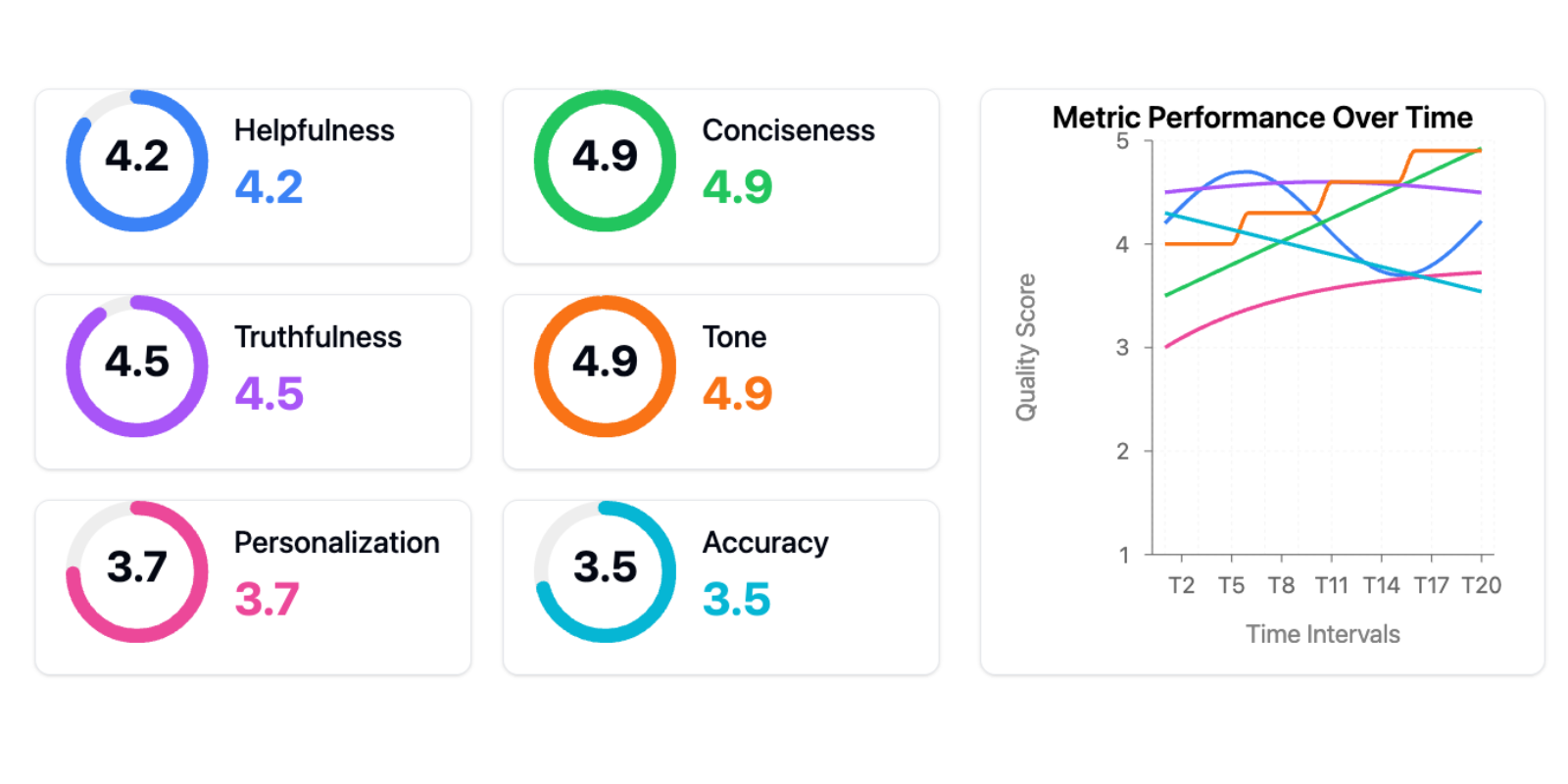
Hello folks! Over the last 2 years, I've helped 35+ companies improve their AI products. I distilled my approach into this guide, which covers error analysis, synthetic data, eval-human alignment, involving domain experts, optimizing # of experiments & more I appreciate you receiving this, but if you want to stop, simply unsubscribe • • • Read in browser for best experience 👉(web version has extras like videos, images, tables and more) 👈 A Field Guide to Rapidly Improving AI Products...
Thoughts On A Month With Devin Impressions of Devin after giving it 20+ tasks. In March 2024, a new AI company burst onto the scene with impressive backing: a $21 million Series A led by Founders Fund, with support from industry leaders including the Collison brothers, Elad Gil, and other tech luminaries. The team behind it? IOI gold medalists - the kind of people that solve programming problems most of us can’t even understand. Their product, Devin, promised to be a fully autonomous software...
nbsanity - Share Notebooks as Polished Web Pages in Seconds Transform your GitHub Jupyter notebooks into beautiful, readable web pages with a single URL change. No setup required. I’ve long believed that Jupyter Notebooks are an excellent medium for technical writing, combining live code, visualizations, and narrative text in a single document. However, sharing notebooks in a way that’s both beautiful and accessible has always been a challenge. While GitHub’s notebook viewer is functional, it...